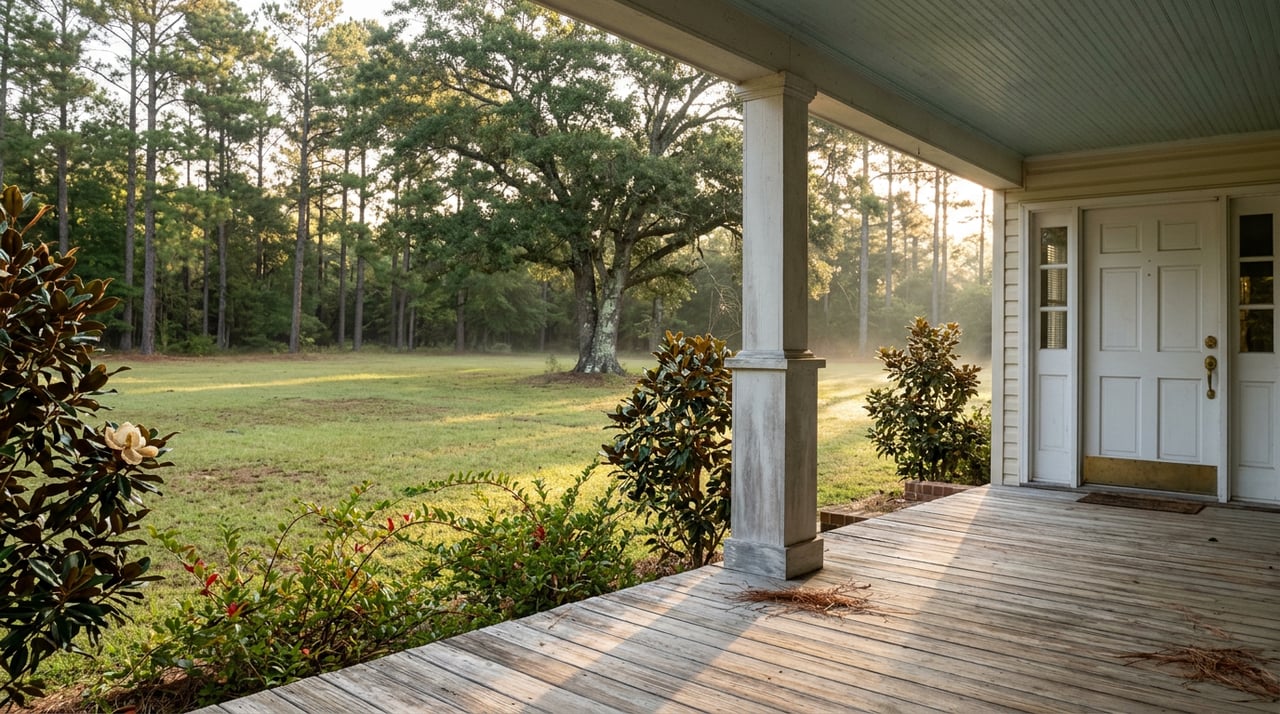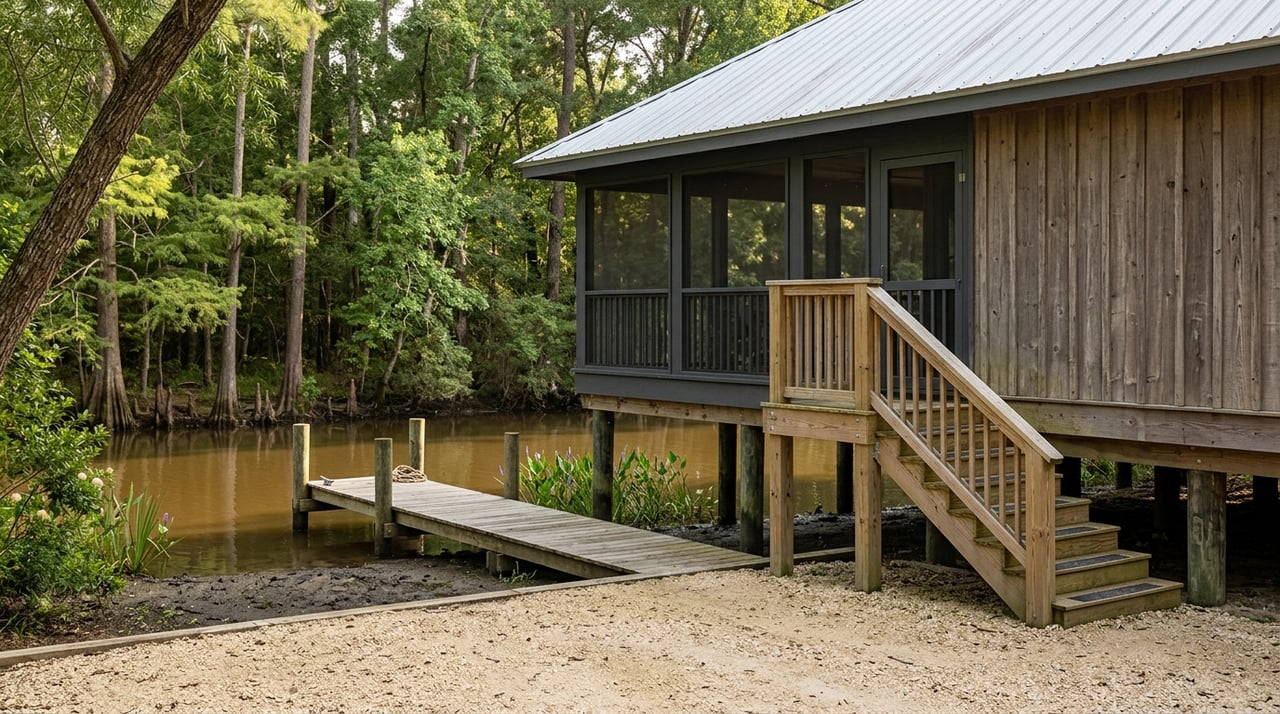
If you picture a simple lake lot purchase, Concordia Parish may surprise you. Waterfront and river-influenced property here can mean anything from a camp on an oxbow lake to a bayou-front tract or a rural parcel shaped by levees, drainage, and state water-bottom rules. If you are thinking about buying in this part of Louisiana, understanding those differences up front can help you avoid expensive mistakes and buy with confidence. Let’s dive in.
Why Concordia Parish Is Different
Concordia Parish is defined by water. LSU AgCenter describes the parish as almost entirely bounded by rivers, with 696 square miles and more than 22,000 acres of rivers, lakes, and bayous larger than 40 acres.
That setting creates opportunity, but it also changes how you should evaluate property. Many buyers here are not choosing between standard subdivision lots. They are comparing rural tracts, camps, recreational parcels, and legacy properties where access, drainage, and use matter just as much as the view.
USGS notes that the Bayou Cocodrie subbasin covers most of the parish and drains mainly through Bayou Cocodrie. Major waters in or along the parish include Lake Concordia, Lake St. John, Black River Lake, and Cocodrie Lake, all of which are tied to popular fishing, boating, and swimming activity.
What “Waterfront” Can Mean Here
Not all waterfront property functions the same way in Concordia Parish. A lakefront tract, a bayou-front parcel, and a river-influenced property can have very different practical issues, even if each one offers water access or water views.
Lakefront Property
Lakefront property in Concordia Parish often carries a strong recreation appeal. Lake St. John, for example, is managed for sustainable sport-fish populations, and local oversight around certain lakes suggests that ownership can come with added questions about infrastructure, stewardship, and shoreline improvements.
For you as a buyer, the key issues are often boat access, pier placement, and changing water levels. If you are looking at Lake St. John in particular, the local recreation and water conservation district tells owners to contact a district member before building a new pier so they can get guidance on proper height above fluctuating lake levels.
Bayou-Front Property
Bayou-front property can offer privacy and a classic Louisiana setting, but it may also require closer review. USGS notes that Bayou Cocodrie and related drainage systems shape much of the parish, and that can translate into more variable drainage and access conditions depending on the exact tract.
If a parcel touches a bayou, you will want to look closely at how you actually reach the water, how the site drains after heavy rain, and whether any nearby public land or managed land affects use. These details can matter as much as the acreage count.
River-Influenced Property
The Mississippi River is central to Concordia Parish, but not every river-influenced property works like classic riverfront. USGS explains that levees limit how much of the parish the river drains, and FEMA notes that the parish has about 93 miles of backwater levee.
That creates an important local reality. Levees can help keep river floodwaters out, but they can also hold rainwater in, which makes drainage a major part of the buying decision. In many cases, the biggest question is not just proximity to the river, but how elevation, drainage paths, and flood exposure affect the tract you want to buy.
Ownership Does Not Always Extend Into the Water
One of the most important things to understand in Louisiana is that shoreline ownership and water rights are not always the same thing. Under Louisiana law, the beds and bottoms of navigable waters and navigable lakes belong to the state, and shore-owner rights do not extend beyond the ordinary low-water mark.
That matters if you are buying with plans for a dock, walkway, launch, or other improvement near the shoreline. A parcel may offer excellent water access and still require additional review before you can build or place structures where you want them.
The Office of State Lands manages state public lands and water bottoms, along with rights-of-way and certain permitting matters. In practical terms, that means your due diligence should go beyond the legal description on the listing and into questions about title, access, and what improvements are actually allowed.
Access Can Be More Limited Than Buyers Expect
Water access is another area where assumptions can create problems. A parcel that appears to sit near usable water may still have limited legal or practical access.
Bayou Cocodrie National Wildlife Refuge is one example of why this matters. The refuge states that fishing access is limited to specific launch points, and that a current public use permit is required for consumptive uses such as angling and hunting. If a property sits near managed land or refuge areas, your use of surrounding waters may not be as open-ended as you expect.
This is why access review is so important on waterfront and river-influenced tracts in Concordia Parish. You want to confirm not only where the property line sits, but also how you enter the property, how you reach the water, and whether nearby rules affect your intended use.
Flood Risk Should Be Reviewed Parcel by Parcel
Flood risk is not a box to check quickly in Concordia Parish. It is one of the main parts of the buying decision.
FEMA says buyers should verify the flood map for the specific parcel, not just the surrounding area. The official source for flood-hazard mapping is the FEMA Flood Map Service Center, while the LSU AgCenter FloodMaps portal can be a helpful viewing tool that overlays FEMA maps on roads and aerials.
That parcel-level review matters because conditions can change within a short distance. One tract may sit differently from the one next door due to elevation, drainage pattern, or levee-related conditions.
If you are serious about a property, ask for a current survey and, if available, an elevation certificate. Those documents can help you better understand buildability, insurance needs, and the real-world risk profile of the site.
Flood Insurance Can Affect Cost and Timing
Flood insurance is not just a later closing detail. It can shape your monthly payment, your lender requirements, and even your timeline.
FEMA says federally regulated, supervised, or insured lenders must require flood insurance for buildings in a Special Flood Hazard Area when the loan is covered by federal flood rules. FEMA also notes that some properties behind levees or in moderate-to-low hazard areas may still face lender-driven insurance requirements.
There is also a timing issue many buyers miss. FEMA says NFIP policies usually have a 30-day waiting period unless the policy is required by the loan or tied to certain map or loan situations. If you wait too long to ask about insurance, you may create closing delays or surprises in your budget.
Permits Matter More Than Many Buyers Realize
In Concordia Parish, waterfront property often comes with more site-specific permitting questions than a standard home purchase. The parish requires permit processing through IBTS, and its site-plan requirements ask applicants to show boundaries, dimensions, drainage path, water lines, sewer treatment systems, house position, and other physical features.
That level of detail tells you something important. The parish wants to understand how a project fits the site, especially where drainage and placement are concerned.
The permit schedule also separately lists homes, camps, single residential structures, mobile homes, camper trailers, barns, and sheds. So if you are buying a camp or planning to add one, do not assume the process will match a typical residential build on a conventional lot.
A Smart Waterfront Due Diligence Checklist
When you buy waterfront or river-influenced property in Concordia Parish, a careful review can protect both your lifestyle goals and your investment. These are the practical items worth checking early.
- Confirm the FEMA flood zone for the exact parcel
- Ask for a survey and, if available, an elevation certificate
- Verify title, legal access, and any questions involving shoreline or water-bottom rights
- Ask the parish about permits for a camp, manufactured home, pier, addition, barn, or other structure
- Review how the property drains during heavy rain, especially in levee-influenced areas
- If the tract is on Lake St. John, ask about local guidance for pier height and fluctuating water levels
- If the parcel is near refuge land or managed water, confirm any use or access restrictions that may apply
How an Experienced Land Team Helps
In a market like Concordia Parish, the right property is not always the one with the prettiest shoreline photo. It is the one that fits how you actually want to use it, what you can legally improve, and what level of flood, drainage, and permitting complexity you are comfortable taking on.
That is where local, land-focused guidance matters. A team that understands rural tracts, camps, waterfront acreage, and legacy property can help you ask sharper questions before you get too far down the road.
Whether you are buying for recreation, a future homesite, or a long-term family property, clear due diligence can help you move forward with fewer surprises. If you are considering waterfront or river-influenced property in Concordia Parish, Stedman Ulmer Properties can help you evaluate the tract, the risks, and the opportunity with practical guidance from start to finish.
FAQs
What makes waterfront property in Concordia Parish different from a typical homesite?
- Waterfront property in Concordia Parish is often rural, recreation-oriented, and shaped by levees, drainage patterns, water access, and permitting issues that usually do not come up on a standard subdivision lot.
What should you verify before buying lakefront property in Concordia Parish?
- You should verify the parcel’s flood zone, survey, elevation information if available, legal access, shoreline improvement rules, and any local guidance on piers or fluctuating water levels.
Why do water-bottom rights matter for Concordia Parish buyers?
- Under Louisiana law, the beds and bottoms of navigable waters and navigable lakes belong to the state, so owning shoreline property does not automatically mean you control improvements beyond the ordinary low-water mark.
How do levees affect property decisions in Concordia Parish?
- Levees can reduce direct river flooding, but FEMA notes they can also hold rainwater in, which makes on-site drainage and stormwater movement important parts of evaluating a parcel.
Do camps and nontraditional structures require permits in Concordia Parish?
- Yes. Concordia Parish’s permit materials list homes, camps, mobile homes, camper trailers, barns, sheds, and other structure types separately, so you should confirm the exact permit requirements for your intended use.
Where should you check the flood zone for a Concordia Parish property?
- FEMA says the official source is the Flood Map Service Center, while the LSU AgCenter FloodMaps portal can help you visually review FEMA map data alongside roads and aerial imagery.