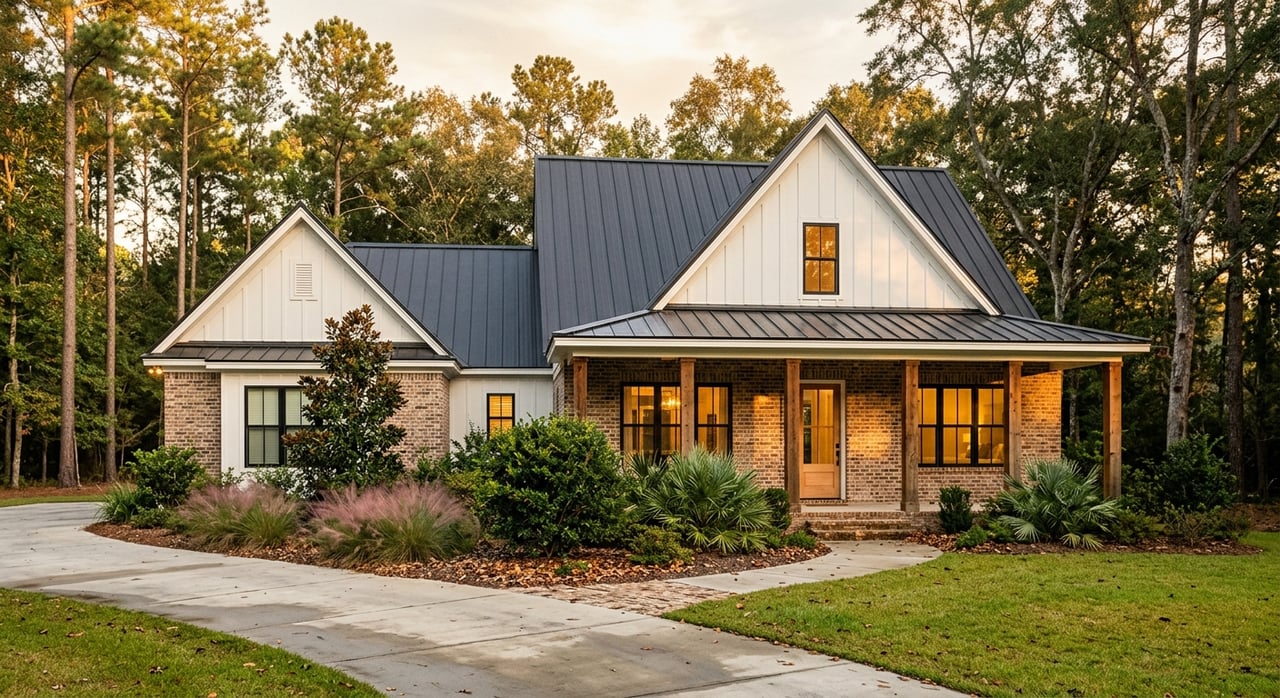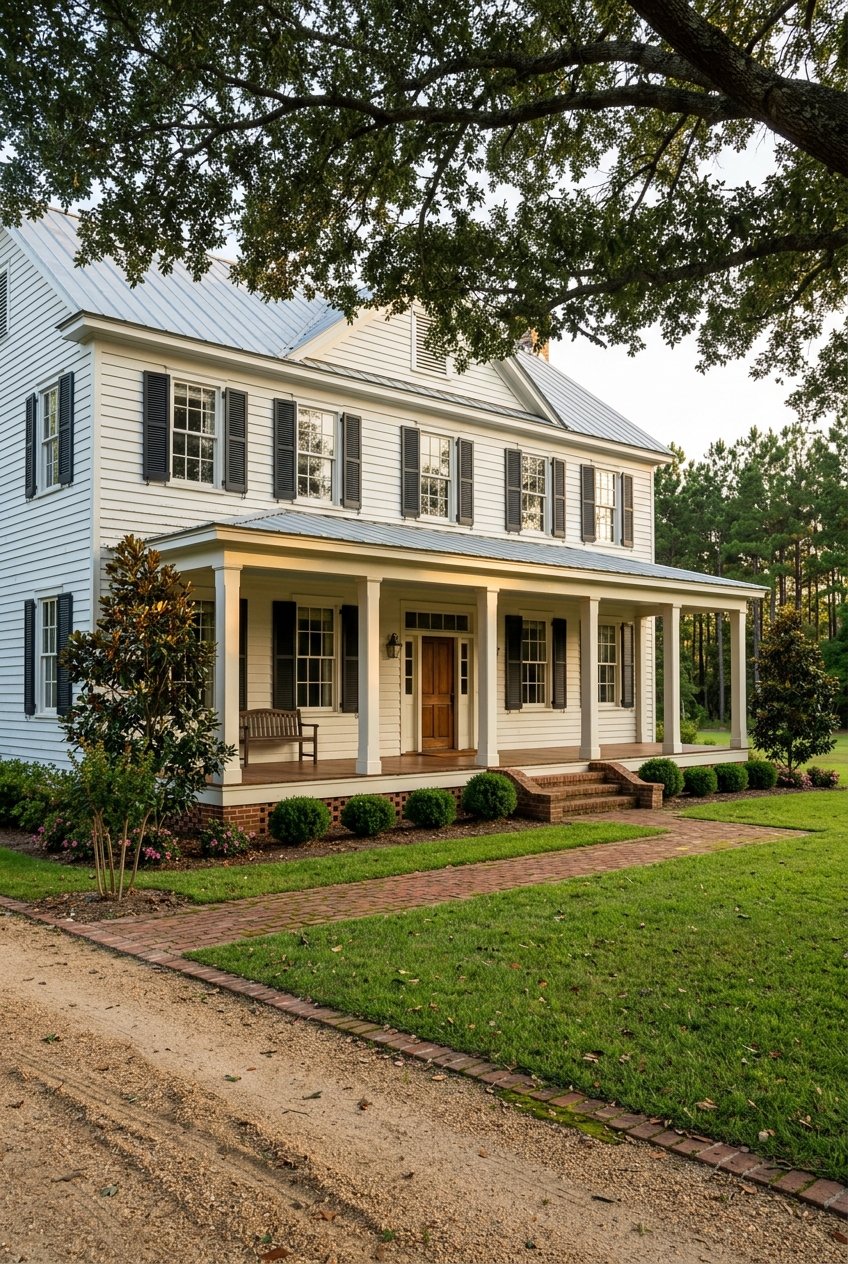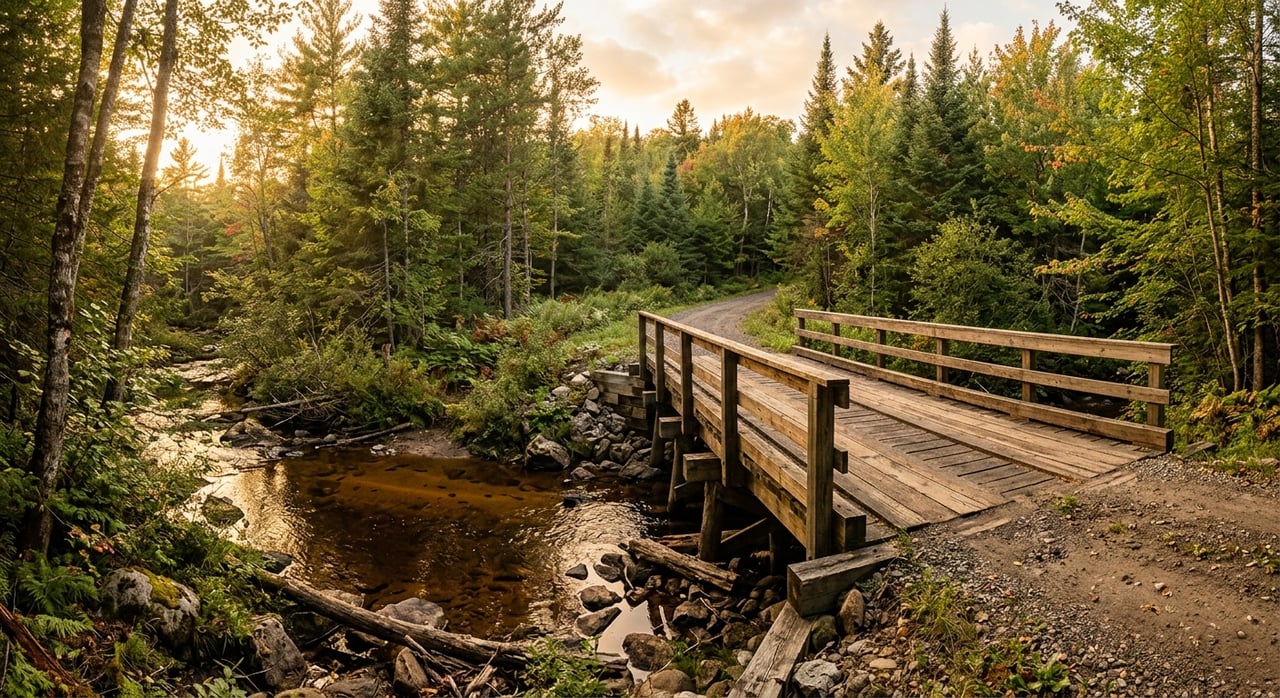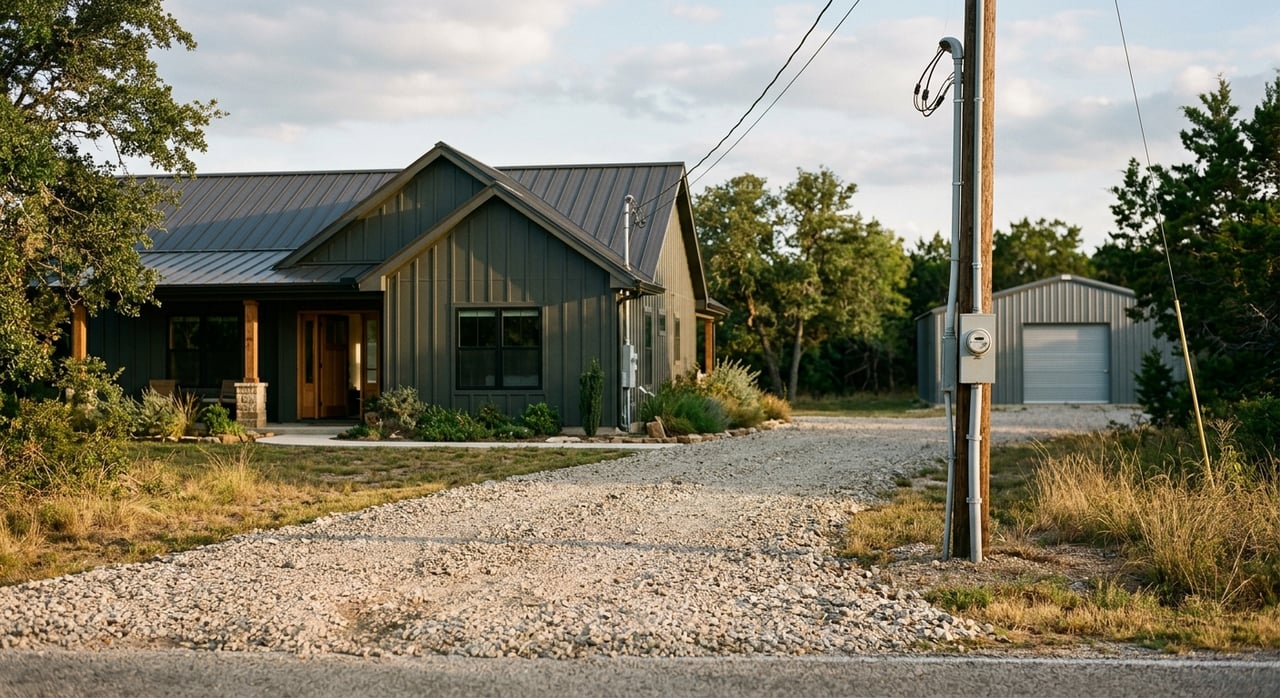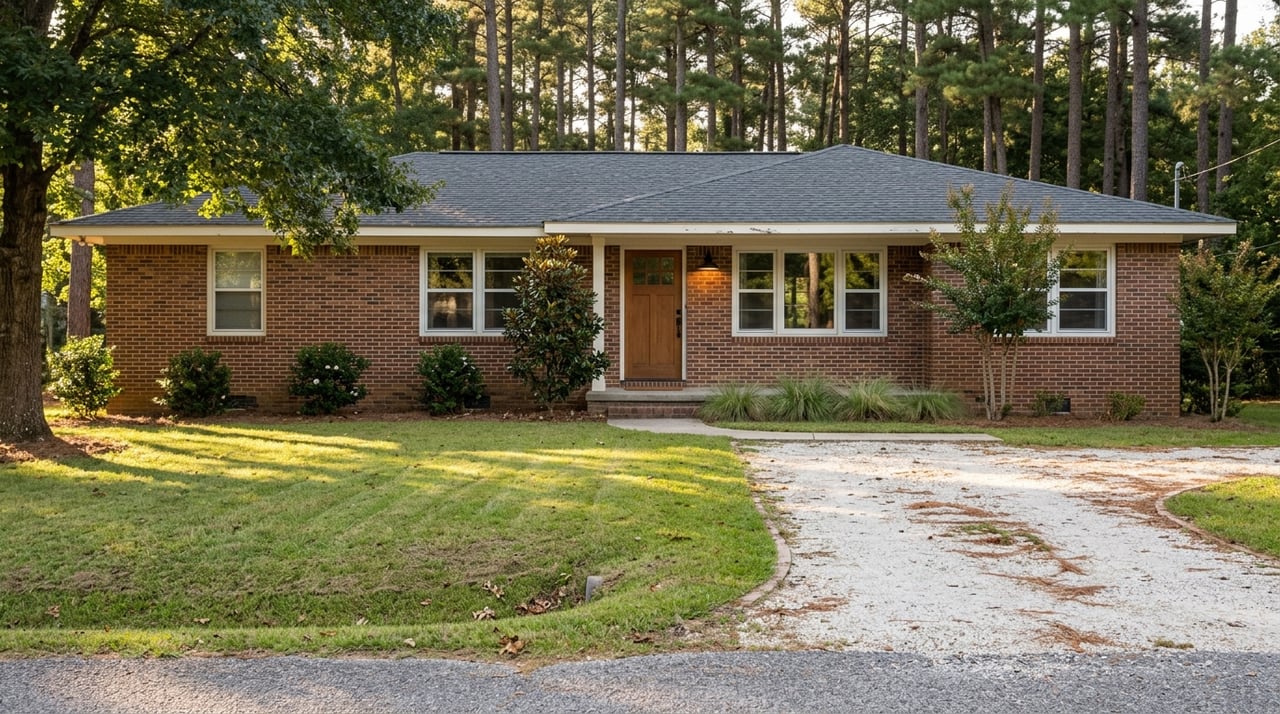
If you are deciding between a home in town and a place out in the country, Pike County gives you a real choice. Some buyers want quick access to stores, healthcare, and daily services, while others want more land, more privacy, and room for long-term use. The right fit depends on how you live, what you need every day, and what kind of property responsibilities you are ready to take on. Here is how to compare town and country living in Pike County with confidence.
Pike County at a glance
Pike County has an estimated 2025 population of 38,712, with McComb at 11,697. The county includes 409.19 square miles of land area, and 66.8% of homes are owner-occupied. The median owner-occupied home value is $110,800, and the mean commute time is 27.2 minutes.
Those numbers point to a market where both lifestyles matter. You can find a more compact setup around McComb, or you can focus on rural homesites and acreage across the county. For many buyers, the choice comes down to convenience versus space, with a lot of middle ground in between.
Why town living appeals
Town living in Pike County usually means looking around McComb and nearby Summit. The biggest advantage is easier access to everyday services. If you want to be closer to healthcare, schools, shopping, and utility connections, an in-town property may feel simpler to manage.
McComb is also the county's most compact housing option. In practical terms, that often means smaller lots, shorter drives for errands, and a more straightforward setup for water, sewer, and garbage service. If your schedule is busy, that convenience can matter just as much as the house itself.
Service access in McComb
Healthcare and regional access are strongest in the McComb area. Southwest Mississippi Regional Medical Center is located in McComb and offers acute care and specialty services. The McComb-Summit corridor also includes Southwest Mississippi Community College in Summit, with McComb about four miles to the south.
The county's only public air terminal, McComb-Pike County Airport, is also just south of McComb's central business district. If you travel often or want easier connections for family, business, or recreation, that may be a point in favor of staying closer to town.
Utilities may be simpler in town
Pike County's new-resident information lists electricity, natural gas, water, sewer, and garbage, recycling, and yard-waste collection among the normal setup items for new households. In town, those services are often more straightforward to confirm and activate.
That does not mean every property has the same setup, so you should still verify each home before you tour. Still, buyers who want fewer moving parts often prefer a property with established municipal services rather than private systems.
Why country living appeals
Country living in Pike County offers something town lots usually cannot: land. If you want space for a workshop, recreation, a quieter setting, or long-term land use, a rural property may be the better match.
This is especially important in a county with a strong land base. Pike County has 189,292 acres of forestland, including 176,186 acres of private timberland. Forestry and forest products have also played a major economic role here, supporting 1,139 jobs and generating more than $47.6 million in income based on the county forestry profile.
Acreage can bring added value
In rural Pike County, land may carry value beyond the homesite. A tract could have timber value, development potential, or recreational use that changes how you should evaluate the property.
That is why country buyers need to look past the house alone. You should also ask about timber, access, drainage, boundaries, and how you plan to use the property over time. In this market, those details can shape both day-to-day enjoyment and long-term value.
Rural living means more property responsibility
Extra space often comes with extra oversight. Outside town, you may need to think more carefully about road access, trash service, well maintenance, septic upkeep, and drive time.
That does not make country living harder for everyone. It simply means you should know what you are taking on before you buy, especially if the property includes acreage, private systems, or a more remote setting.
Road access matters more than many buyers expect
One of the biggest differences between town and country properties is access. Pike County operates under a countywide system of road administration, and the Road Department maintains county roads and bridges throughout the county.
For rural buyers, the key question is whether the property fronts a maintained county road, depends on a private road, or may need driveway or access improvements. County ordinances also set minimum standards for private roads that may later be dedicated and accepted for public use.
What to verify before you fall in love
Before you move forward on a rural property, ask:
- Does the parcel have direct frontage on a county-maintained road?
- Is access through a private road or easement?
- Who is responsible for maintenance?
- Will you need improvements to reach the home site in all weather?
These questions can affect cost, convenience, and future resale. They are worth answering early.
Utilities and services shape daily life
When buyers compare town and country living, utilities often become the tie-breaker. A town property may have easier access to municipal water, sewer, and other routine services. A rural property may rely on private well and septic systems instead.
That difference affects both convenience and maintenance. If you prefer a simpler monthly routine, town living may be a better fit. If you are comfortable managing more of the property yourself, country living may feel well worth the tradeoff.
Trash service still needs planning
Rural living does not mean opting out of household logistics. Pike County's solid-waste program requires residents to sign up for service, provides pickup once a week, and limits service to regular household trash. Hunting camps, RVs, and campers are also required to set up trash service.
That is a good reminder that even a remote property needs a practical service plan. If you are buying a country home or weekend place, ask what is already in place and what you will need to arrange after closing.
Well and septic upkeep
If a property uses a private well or septic system, the owner takes on more responsibility. Mississippi State University Extension advises private well owners to test water at least once a year and keep the well area clean and accessible. Septic systems also need periodic inspection and pumping.
For some buyers, that is a reasonable trade for more land and privacy. For others, municipal service in town may be the more comfortable option.
Schools and commute should fit your routine
Your daily routine matters as much as the property itself. Pike County's mean travel time to work is 27.2 minutes, so it is smart to compare commute time from each location you consider.
You should also confirm the school district tied to any address. Pike County's new-resident information points residents to McComb, North Pike, and South Pike school districts. McComb School District serves the city, North Pike lists Summit campuses, and South Pike includes schools such as Osyka Elementary and district offices in Magnolia.
Internet availability is worth checking
If anyone in your household works from home, streams heavily, or depends on reliable connectivity, verify internet service at the parcel level. Countywide broadband subscription is 78.8%, but that does not guarantee the same service options at every address.
This matters most in rural areas, where availability can vary from one road to the next. It is much better to confirm it before you buy than to assume it will work out later.
A simple way to choose
If you are still torn between town and country living in Pike County, focus on how you live on a normal Tuesday, not just how a property feels on a Saturday tour. Think about where you need to go, how much land you want to maintain, and whether you want convenience or flexibility to lead the decision.
A good choice usually becomes clearer when you compare the tradeoffs side by side.
| Lifestyle factor | Town living | Country living |
|---|---|---|
| Access to services | Usually easier | May require more planning |
| Lot size | Typically smaller | Often larger |
| Utilities | More likely municipal | More likely well/septic |
| Property upkeep | Often simpler | Often more hands-on |
| Road access questions | Usually fewer | Usually more important |
| Land-use potential | Often limited by lot size | May include timber or future use value |
Questions to ask before touring
No matter which direction you lean, go into each showing with a clear checklist. In Pike County, practical details can matter just as much as square footage or curb appeal.
Ask these questions before or during a tour:
- Which school district serves this address?
- Is the property on municipal water and sewer, or does it use a well and septic system?
- What type of road serves the property, and who maintains it?
- How long is the commute to work, school, or frequent errands?
- What internet service is available at this exact location?
- If this will be your primary residence, are you eligible for homestead exemption?
- If the property includes acreage, does it have timber or development potential?
The best choice is the one that fits your life
There is no one-size-fits-all answer in Pike County. Town living can make daily routines easier, especially if you want quick access to services and a lower-maintenance setup. Country living can give you more space, privacy, and land value potential, but it often requires more due diligence and more ongoing oversight.
If you want help weighing those tradeoffs, working with a team that understands both residential property and land value can make the process much clearer. Whether you are comparing a home in McComb or a tract outside town, the goal is the same: find a property that fits the way you want to live now and in the years ahead.
If you are ready to compare homes, acreage, or land-focused opportunities in Mississippi, connect with Stedman Ulmer Properties.
FAQs
What is the main benefit of town living in Pike County?
- Town living, especially around McComb, usually offers easier access to healthcare, schools, utilities, and other everyday services.
What makes country living different in Pike County?
- Country properties often offer more land, privacy, and possible timber or recreational value, but they may also require more attention to access, utilities, and maintenance.
What should buyers ask about rural road access in Pike County?
- You should ask whether the property fronts a county-maintained road, uses a private road or easement, and whether any access improvements may be needed.
What utility questions matter most when buying in Pike County?
- You should confirm whether the property uses municipal water and sewer or a private well and septic system, and verify trash and other household service arrangements.
What school districts should homebuyers check in Pike County?
- Buyers should confirm whether a property falls in the McComb, North Pike, or South Pike school district based on the specific address.
Why does land value matter when buying country property in Pike County?
- In Pike County, rural land may have value beyond the homesite because timber, access, drainage, and future use can all affect the property's overall worth.