If you are thinking about buying hunting land in Amite County, you are probably looking for more than a place to spend a few weekends each year. You want ground that fits how you plan to use it, holds value over time, and does not surprise you after closing. This guide walks you through what to look for, what to verify, and how to evaluate a tract with confidence. Let’s dive in.
Why Amite County draws hunting-land buyers
Amite County stands out because it offers the kind of rural scale many land buyers want. The county covers 730.1 square miles of land, and the 2024 population estimate was 12,723, or about 17.4 people per square mile. That low-density setting appeals to buyers who want recreational acreage, privacy, timber potential, and a long-term hold.
The land mix also helps explain the county’s draw. USDA data shows 407 farms averaging 199 acres, with 80,958 acres in farms, and woodland and pastureland are major uses. Local planning documents describe a landscape of rolling uplands and creek bottoms, with uplands often suited to timber and bottomlands commonly used for agriculture when dry.
For you as a buyer, that means many tracts are not just "hunting land" in a narrow sense. They may offer a blend of timber, wildlife habitat, open ground, and future use flexibility. That mix can be attractive if you want both recreation and long-term land value.
Public land shapes the hunting picture
One of the biggest regional advantages is the nearby public-land network. Homochitto National Forest is a major outdoor anchor in the area and offers deer, turkey, and small-game hunting. MDWFP also identifies Caston Creek WMA, with 28,286 acres in Amite and Franklin counties, and Sandy Creek WMA sits in the broader southwest Mississippi hunting corridor.
That matters because public land can add recreation value to the area around your property. It can also affect how you think about access, boundaries, and hunting pressure. A tract near public land may feel more connected to a larger hunting landscape, but it also requires you to pay closer attention to where private ownership ends and public rules begin.
Current Caston Creek and Sandy Creek regulations require most participants to carry a statewide WMA User Permit and follow area-specific rules for check-in, boundaries, and weapons. If a property borders or sits near one of these areas, you should review current rules early instead of assuming private-land practices apply next door.
Start with access first
Access is one of the first things you should verify before you get too attached to a tract. If timberland is not adjacent to a public road, Mississippi State University Extension notes that written rights-of-way or easements are needed to cross another parcel. Informal access arrangements may work for years, but they can become a problem once ownership changes.
That is why road frontage matters. If the property touches a public road, your access picture is usually simpler. If it does not, you need to know exactly what legal access exists, where it runs, and whether it is recorded and enforceable.
Access also affects future use and value. It matters for getting equipment in, reaching food plots and stands, moving timber if you ever harvest, and simply using the land without conflict. If county roads will be involved in hauling timber, Extension recommends consulting county supervisors about permission or permitting.
Study the land itself, not just the listing
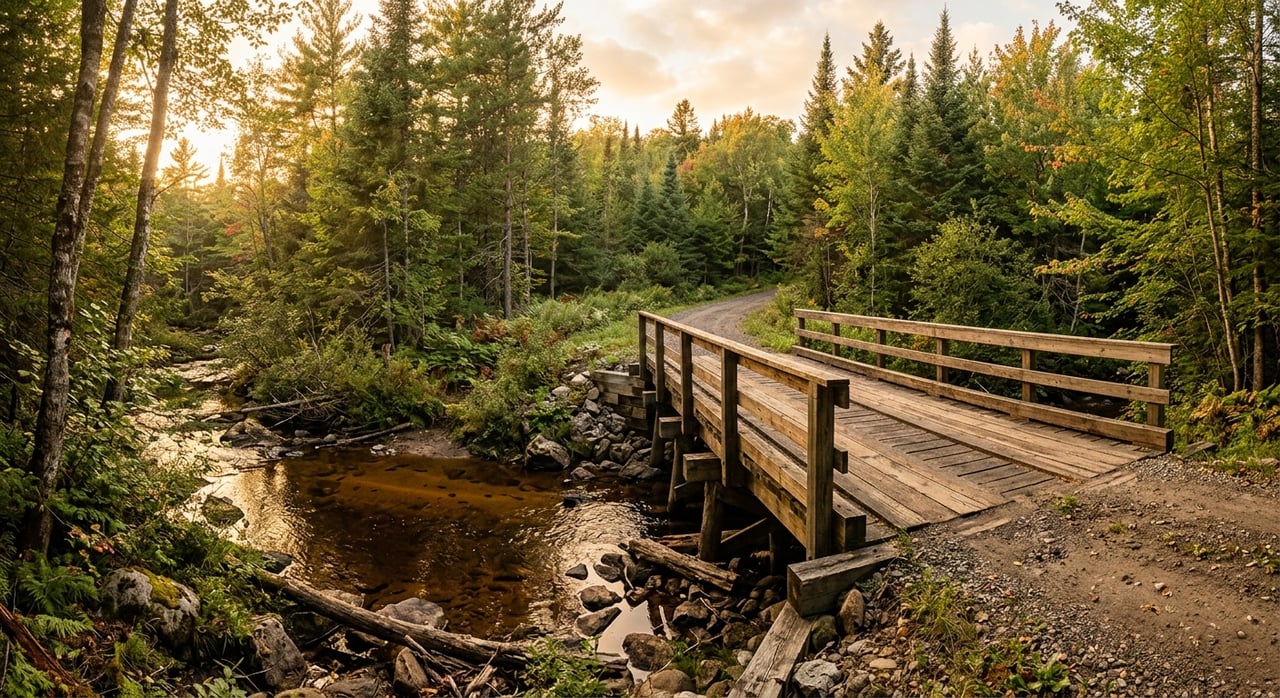
Good hunting land is not only about acreage totals. You need to understand how the property lays, how water moves across it, and how the surrounding land supports or limits wildlife use. In Amite County, rolling uplands and creek bottoms can create a useful mix of cover, travel corridors, and different land uses.
Bottomland and creek areas may support wildlife movement and seasonal use, while uplands may be more suitable for timber. Pasture, woodland, and agricultural ground on neighboring tracts can also influence how deer, turkey, and small game move through the area. What happens next door is part of the property analysis.
This is one reason two tracts with the same acreage can feel very different in the field. One may have stronger access, more usable shape, better timber, and better neighboring uses. Another may look good on paper but have limitations that reduce long-term enjoyment or value.
Check neighboring uses carefully
Amite County’s land-use pattern suggests that nearby parcels may be managed for timber, cattle, or mixed farm use. That can influence wildlife movement, hunting pressure, noise, and the future character of your property. It can also affect how private your tract feels over time.
You do not need perfect surroundings for a property to work well. But you should understand what borders the tract today and what those neighboring uses could mean in the future. A buyer who looks only at the subject property can miss a major part of the decision.
When you walk land, pay attention to more than interior trails and stand locations. Look at boundary lines, nearby roads, adjoining open ground, and signs of nearby land management activity. Those details often tell you how the tract will actually hunt and function.
Timber is more than a bonus
In Mississippi, timber should be treated as a real asset, not a vague extra. The Mississippi Department of Agriculture and Commerce says the state has about 19.3 million acres of forestland, or about 63% of the state, and about 89% is privately owned. In a county like Amite, timber can be a major part of the value story.
Mississippi State University Extension says timber value depends on species, size, quality, tract size, access, and distance to the buyer’s mill. Wet-weather access and higher timber volume can improve value, while a longer haul can reduce it. That means timber value is specific to the tract, not something you should estimate casually.
If a seller markets a property as having merchantable timber, ask for details. You should want to know the species mix, age classes, and whether there is meaningful harvest potential. Extension also recommends working with a professional forester and getting a pre-sale valuation before any timber sale, which reinforces why buyers should treat timber as inventory-backed value.
Recreational land also attracts investors
There is a reason hunting and timber tracts get attention beyond lifestyle buyers. Mississippi State University Extension reports that recreational and timberland made up 77% of Mississippi agricultural land purchases from 2019 through early 2023. It also notes that financial and real-estate buyers increased their presence in those transactions.
That statewide trend does not set prices in Amite County by itself. Still, it does show that buyers are actively competing for this kind of land across Mississippi. If you are shopping for a tract with both hunting appeal and long-term upside, you are likely not the only one seeing that value.
For you, that means discipline matters. It is easy to get excited about a property and skip deeper review. The better approach is to move with urgency when needed, but still verify the fundamentals before you commit.
Title, taxes, and minerals matter early
Amite County gives buyers very direct guidance on due diligence. Before buying property, the county recommends an attorney title search using the Chancery Clerk’s Office, Circuit Clerk’s Office, and Tax Assessor’s Office to identify mortgages, taxes, liens, and legal title. That is especially important on older family tracts or properties that may involve heir-property issues.
The county also notes that deeds are filed in the Chancery Clerk’s Office and that land records are public. Just as important, mineral rights are not determined from the land roll, so a separate legal review is needed if mineral ownership matters to you. If minerals are part of your buying criteria, do not assume they transfer with the surface.
Tax status also deserves attention. According to the county, property taxes not paid by the first Monday in April can go to tax sale, with a two-year redemption window. That does not mean every tract has an issue, but it does mean tax review should be part of your early investigation.
Planning a camp or cabin? Review floodplain issues
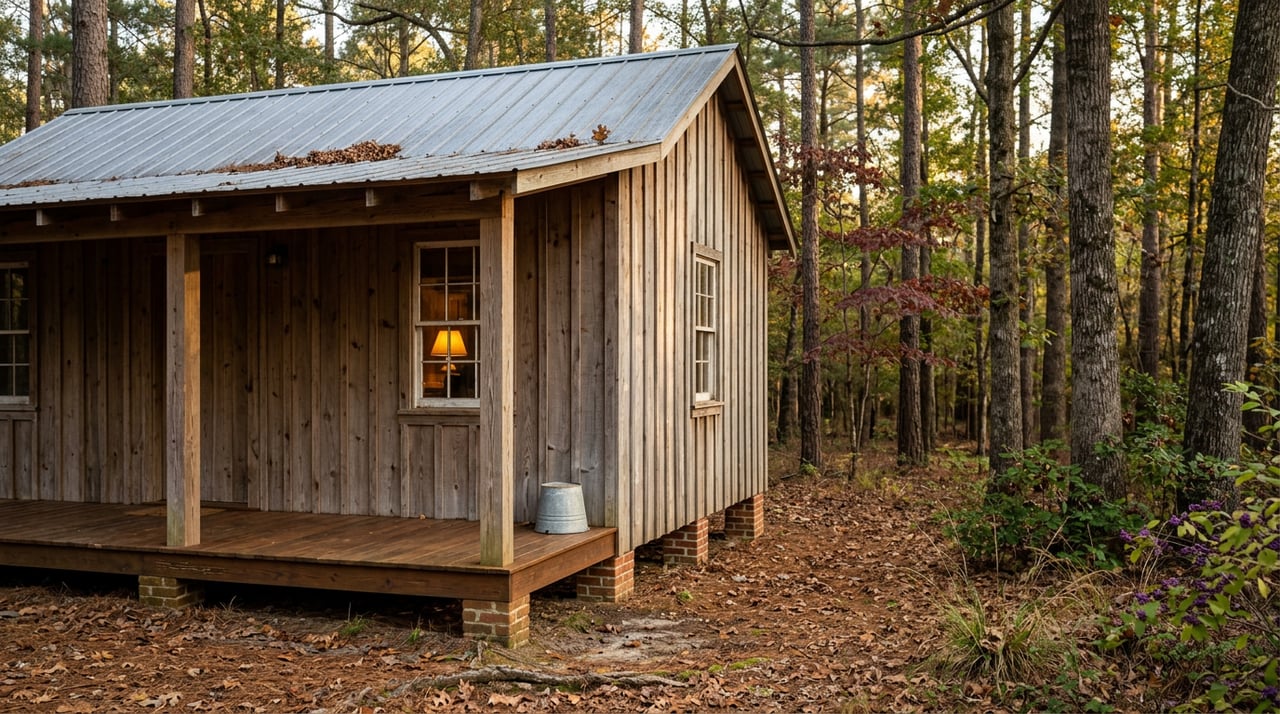
If you plan to place a camp, cabin, or other structure on the property, check floodplain requirements before you buy. Amite County states that a floodplain application is required to get a 911 address, and FEMA verification is used to confirm that the structure is not in a regulatory floodway. This is especially relevant on land with creek bottoms or low areas.
That does not mean a tract with water features is automatically a problem. It means you need to know where a structure can realistically go and what approvals may be required. A beautiful hunting tract can become much less practical if your intended camp site does not work.
This is another reason to match your purchase to your real goals. If you want a simple recreational tract, your priorities may differ from someone who wants a camp, utilities, and year-round access. The right property depends on how you plan to use it.
A practical buying checklist
Before you make an offer on hunting land in Amite County, make sure you can answer these questions:
- Does the tract have deeded access or a written easement?
- How much road frontage does it have, if any?
- What timber species, age classes, and merchantable volume are present?
- Does the property border Homochitto National Forest or a WMA?
- Are mineral rights included, excluded, or unclear?
- Are property taxes current?
- If you want a camp, will the site need floodplain review before a 911 address is issued?
- What are the neighboring land uses around the tract?
- Are the boundaries clearly identified on the ground?
Those answers help you move from a good-looking listing to a sound purchase decision. They also help you compare one tract against another in a more objective way.
Why expert guidance helps on land deals
Buying hunting land is different from buying a house in town. You are not just evaluating bedrooms, finishes, and recent comps. You are weighing access, timber, boundary issues, neighboring uses, title questions, tax status, and how the property will actually function over time.
That is where experienced land guidance can make a real difference. A team with land, timber, and forestry knowledge can help you ask better questions, spot red flags sooner, and focus on the factors that affect both use and value. In a market like Amite County, that kind of practical support can save you time and reduce risk.
If you are considering hunting land in Amite County and want a grounded, step-by-step approach, Stedman Ulmer Properties can help you evaluate available tracts and move forward with more confidence.
FAQs
What makes Amite County appealing for hunting land buyers?
- Amite County offers low-density rural land, a mix of woodland, pasture, uplands, and creek bottoms, plus access to a broader southwest Mississippi hunting corridor that includes Homochitto National Forest and nearby WMAs.
What should you verify first when buying hunting land in Amite County?
- You should verify legal access first, including public road frontage or a written easement, because informal arrangements may not survive after closing.
Why does bordering Homochitto National Forest or a WMA matter?
- Nearby public land can add recreation appeal, but it also means you need to understand boundaries, current area rules, and how neighboring public-land activity may affect your tract.
How should you evaluate timber on an Amite County hunting tract?
- You should look at species, age classes, merchantable volume, tract access, and haul distance, since timber value depends on tract-specific conditions rather than a general estimate.
What county records should you check before buying land in Amite County?
- Amite County recommends an attorney title search through the Chancery Clerk’s Office, Circuit Clerk’s Office, and Tax Assessor’s Office to review title, taxes, liens, and related legal issues.
Do mineral rights automatically come with hunting land in Amite County?
- No, the county states that mineral rights are not determined from the land roll, so a separate legal review is needed if mineral ownership is important to your purchase.
What should you know about building a camp on hunting land in Amite County?
- If you want a camp or cabin, the county says a floodplain application is required to get a 911 address, and FEMA verification is used to confirm the structure is not in a regulatory floodway.